
The Beauty That Captures the Observer
Death in VeniceThis flow traces Aschenbach’s attention to Tadzio as aesthetic admiration becomes the organizing force of his holiday and conduct.
increasing Bearing strength in each event
 decreasing
Bearing strength in each eventdecreasingThe Lobby Portrait
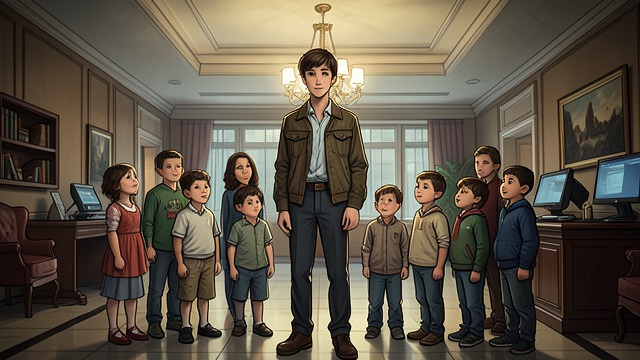
The Lobby Portrait
A striking first sight
Aschenbach sees Tadzio among his sisters and is astonished by the boy’s beauty. He interprets the child through classical artistic ideals, as though a sculpture had entered ordinary hotel life.
An aesthetic distance
At first, Tadzio is an object of contemplation, not a companion. The language of art gives Aschenbach a respectable frame for an attraction whose emotional force will soon exceed detached judgment.
The Name Repeated
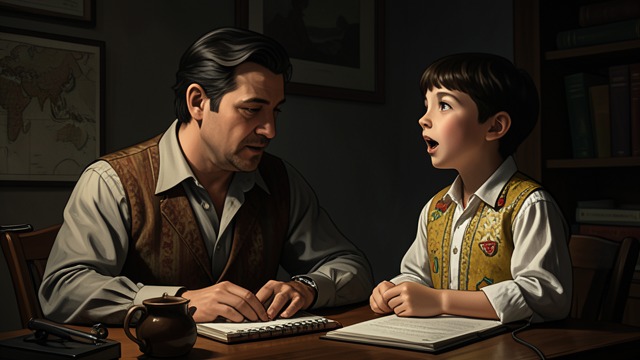
The Name Repeated
A sound held in memory
Aschenbach hears the family call Tadzio by name and works out its likely form. Repeating the sound privately, he makes even an unfamiliar name part of his personal attention.
Observation becomes habit
The boy’s speech and movements acquire meaning through Aschenbach’s listening. This small act marks the shift from noticing beauty to arranging his own awareness around its presence.
The Beach as Stage
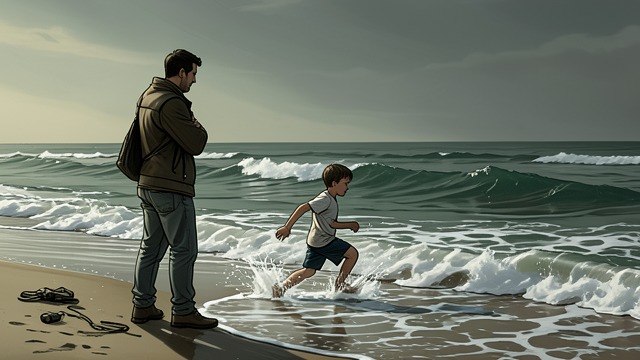
The Beach as Stage
Daily observation
Aschenbach watches Tadzio play, bathe, and return to his family. The repeated scenes give the observer a steady supply of gestures to admire and interpret.
A chosen audience
The beach becomes valuable because it brings the boy into view. Aschenbach’s holiday is increasingly measured by opportunities to watch, rather than by rest, work, or exploration.
Beauty as an Ideal
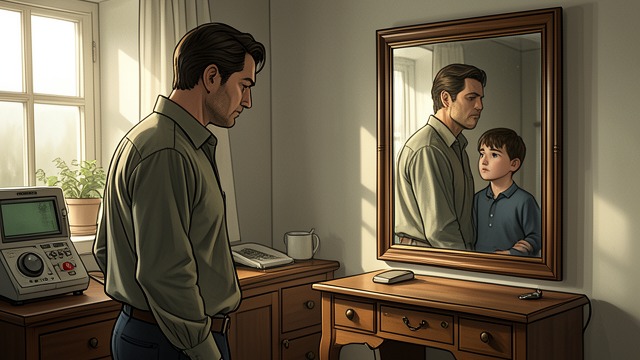
Beauty as an Ideal
A theory of perception
Aschenbach imagines that bodily beauty can direct the observer toward spiritual form. Tadzio’s appearance becomes, in his mind, an emblem of perfection rather than simply a child’s physical presence.
A dangerous elevation
The theory dignifies his fixation, but also helps conceal its personal and sensual character. Art supplies an intellectual vocabulary that permits desire to intensify without being honestly examined.
The Last Image
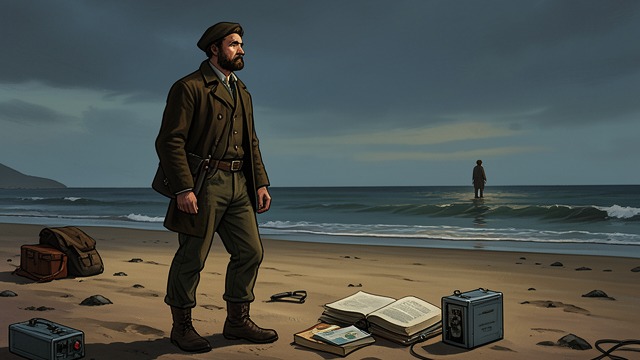
The Last Image
A distant signal
As Tadzio walks along a sandbank, Aschenbach believes the boy looks back and beckons. The apparent gesture comes from distance and longing, yet it feels decisive to the watcher.
The gaze completed
Aschenbach rises to follow, then collapses before he can reach him. The final image turns beauty into an irresistible lure and ends the observer’s life at the moment of imagined invitation.
The first evening at the beach hotel
The first morning on the beach
The first weeks of his stay
During the settled beach routine
On the final day at the beach
